Sudan: A Country Divided by War and Poverty

nyssenate31.com – Sudan, a country in northeastern Africa, has been grappling with a complex web of conflicts and economic hardships that have left its population in dire straits. The ongoing war between rival military factions has exacerbated existing poverty and food insecurity, pushing the country to the brink of a humanitarian catastrophe.

The Ongoing Conflict

The current conflict in Sudan erupted in April 2023 when the Sudanese Armed Forces and the Rapid Support Forces (RSF) began a fierce battle for control over the country. This conflict has resulted in the deaths of over 15,000 people and has displaced nearly 10 million individuals, making it one of the world’s largest displacement crises. The fighting has spread across the country, with the RSF controlling much of the capital, Khartoum, and the western region of Darfur.

Economic Fallout

The war has had a devastating impact on Sudan’s already fragile economy. In 2022, the average annual income per capita was $750, making Sudan one of the poorest countries in the world. The conflict has further exacerbated this economic hardship, with the economy shrinking by 40% in 2023. High inflation rates, reaching 359% in 2021, have made basic necessities unaffordable for many Sudanese.

Food Insecurity and Hunger

The conflict has severely disrupted agricultural activities, leading to a significant reduction in food production. The United Nations Food and Agriculture Organization (FAO) reports that national cereal production is 46% below 2023 levels and 40% below the five-year average. This has led to a severe food crisis, with food prices soaring by 73% compared to the previous year and 350% above the five-year average.

The World Food Programme (WFP) warns that Sudan is on the brink of the world’s worst hunger crisis, with nearly 26 million people already experiencing acute food insecurity. The lean season, which is expected to be longer and more severe due to the conflict, will exacerbate the situation further.

Humanitarian Crisis

The humanitarian situation in Sudan is dire. The conflict has led to widespread displacement, with millions of people forced to flee their homes. The health-care system has collapsed, and there are alarming reports of sexual and gender-based violence, particularly against women and girls. The UN has warned that without urgent assistance, hundreds of thousands could die from starvation and disease.

International Response

Despite the severity of the crisis, the international response has been inadequate. The UN’s $2.7 billion humanitarian appeal is only 49% funded, leaving a significant gap in the resources needed to address the crisis. The US has pledged $242 million in new assistance, but more is needed to prevent a humanitarian disaster.

Conclusion

Sudan’s ongoing conflict has plunged the country into a humanitarian crisis of unprecedented proportions. The war has exacerbated existing poverty and food insecurity, pushing millions to the brink of starvation. The international community must act swiftly to provide the necessary aid and support to prevent a catastrophic outcome. The future of Sudan hangs in the balance, and decisive action is needed to save lives and restore hope to its people.
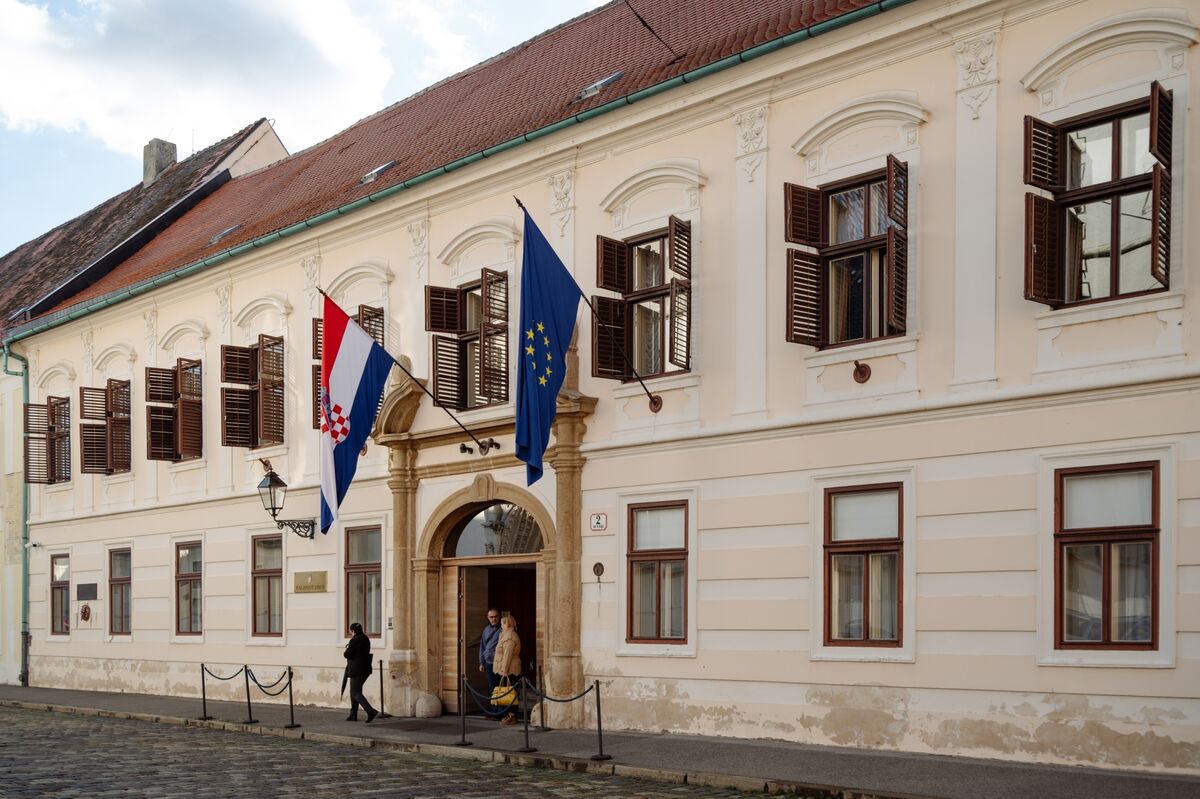
Croatia’s Relationship with Neighboring Countries

nyssenate31.com – Croatia, a nation with a rich history and a strategic location in Southeast Europe, shares borders with several countries, including Slovenia, Hungary, Serbia, Bosnia and Herzegovina, and Montenegro. These neighboring countries have complex historical ties with Croatia, which have shaped their contemporary relationships. This article explores the multifaceted nature of Croatia’s interactions with its neighbors, focusing on political, economic, and cultural dimensions.

Historical Context

The relationships between Croatia and its neighbors are deeply rooted in history, marked by periods of cooperation and conflict. The breakup of Yugoslavia in the early 1990s and the subsequent Croatian War of Independence had a profound impact on these relationships. However, in recent years, there has been a concerted effort to foster peace, stability, and cooperation in the region.

Slovenia

Croatia’s relationship with Slovenia is generally positive, characterized by strong economic ties and cooperation in various sectors. Both countries are members of the European Union and NATO, which has facilitated closer integration and collaboration.

Hungary

Hungary and Croatia share a long history of cultural and economic exchanges. The two countries have a strategic partnership, with Hungary being one of Croatia’s key economic partners. Energy, infrastructure, and tourism are areas of significant collaboration.

Serbia

The relationship between Croatia and Serbia has been more complex, influenced by historical conflicts and the legacy of the Yugoslav Wars. However, both countries have been working towards normalizing relations, with a focus on economic cooperation and reconciliation.

Bosnia and Herzegovina

Croatia’s relationship with Bosnia and Herzegovina is multifaceted, with economic cooperation and regional stability being key priorities. The two countries have been collaborating on various projects, including infrastructure development and energy.

Montenegro

Croatia and Montenegro have a relationship marked by cultural similarities and economic cooperation. Both countries are working together to develop regional tourism and infrastructure projects.

Economic Cooperation

Economic cooperation is a cornerstone of Croatia’s relationships with its neighbors. Trade, investment, and joint infrastructure projects are key areas of collaboration, contributing to regional economic integration and development.

Cultural Exchanges

Cultural ties are an important aspect of Croatia’s interactions with its neighboring countries. Shared history, language, and traditions provide a strong foundation for cultural exchanges, festivals, and educational collaborations.

Regional Stability and Security

Ensuring regional stability and security is a priority for Croatia and its neighbors. Cooperation in defense, border management, and addressing transnational challenges such as organized crime and terrorism is essential for maintaining peace in the region.

Conclusion

Croatia’s relationships with its neighboring countries are characterized by a mix of historical complexities and contemporary efforts towards cooperation and integration. Economic collaboration, cultural exchanges, and joint initiatives aimed at regional stability are key components of these relationships. As the countries in the region continue to work together, there is a growing optimism about the future of Southeast Europe, with Croatia playing a pivotal role in fostering peace, prosperity, and cooperation.

The Dangerous Dozen: The World’s Most Perilous Countries

nyssenate31.com – In an increasingly interconnected world, the allure of travel and exploration continues to draw adventurers and tourists alike. However, not all destinations are created equal, and some countries pose significant risks to visitors and residents. Known as the “Dangerous Dozen,” these nations are often plagued by a combination of factors such as political instability, terrorism, violent crime, and health crises. This article aims to shed light on these perilous countries, providing insights into the dangers they present and the reasons behind their precarious situations.

  1. Afghanistan
    Afghanistan tops the list, a country ravaged by decades of conflict, Taliban rule, and a challenging security environment. The withdrawal of international troops has further destabilized the region, leading to a resurgence of terrorist activities and a deteriorating humanitarian crisis.
  2. Syria
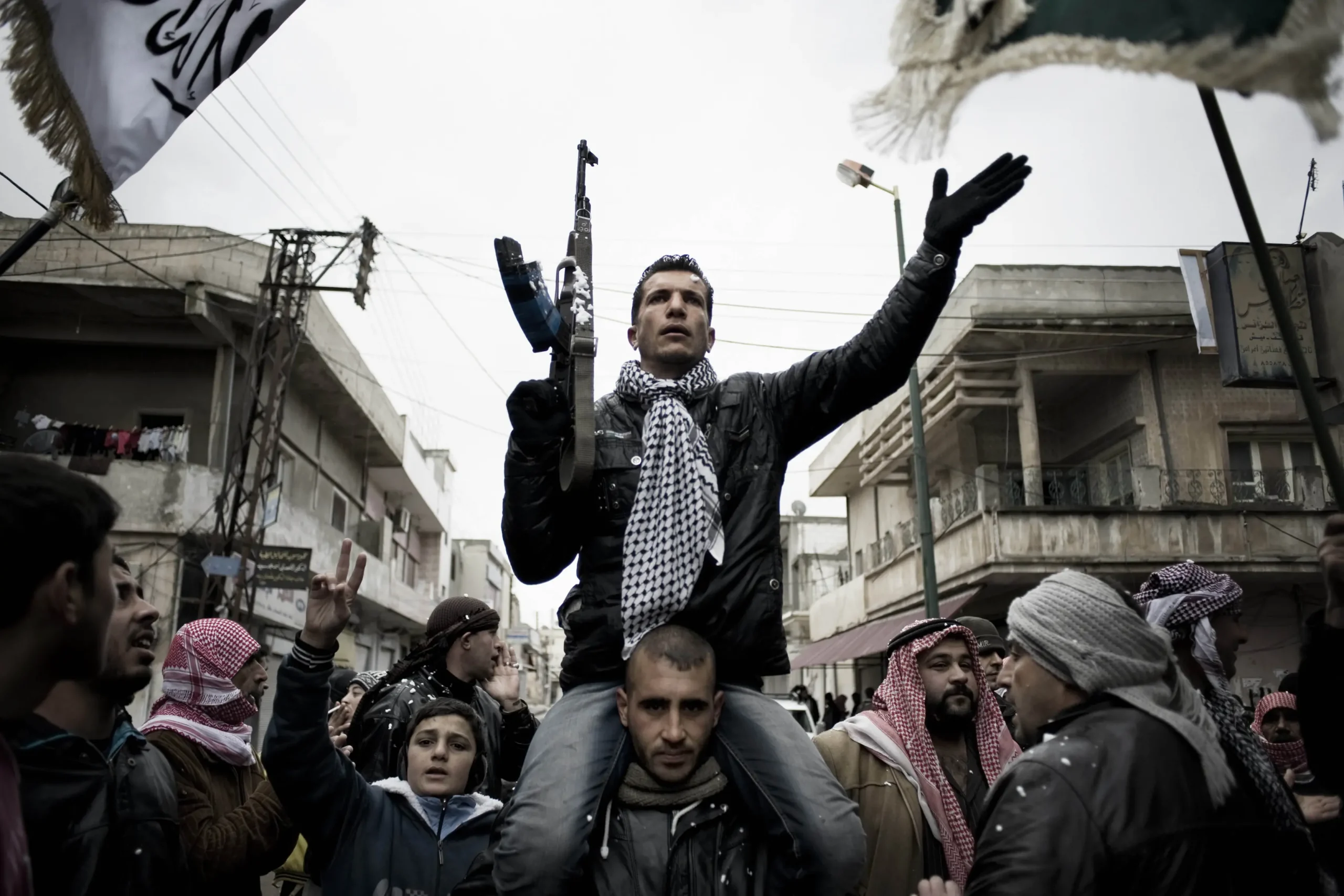
    Syria’s ongoing civil war has turned the country into a battleground, with various factions fighting for control. The conflict has led to a massive displacement of people, widespread destruction, and the rise of extremist groups, making it one of the most dangerous places on earth.
  3. Iraq
    Despite efforts to rebuild after years of conflict, Iraq still faces significant security challenges. Sectarian violence, terrorism, and political instability continue to pose threats to the country’s stability and the safety of its inhabitants.
  4. Yemen
    Yemen is embroiled in a complex civil war, exacerbated by foreign intervention and a dire humanitarian crisis. The conflict has led to widespread famine, disease, and a collapsed healthcare system, making it one of the world’s worst humanitarian disasters.
  5. Somalia
    Somalia has long been synonymous with piracy and terrorism, particularly due to the presence of Al-Shabaab. The absence of a strong central government has allowed for the proliferation of armed groups and clan-based violence, making it a perilous place for both locals and foreigners.
  6. Libya
    Since the fall of Gaddafi, Libya has been fractured by civil war and political division. The country is now a hotbed for militias, extremist groups, and human trafficking, making it extremely dangerous for anyone in its vicinity.
  7. South Sudan
    The world’s youngest nation is also one of its most troubled. South Sudan’s civil war has led to widespread violence, displacement, and famine, with ethnic tensions fueling ongoing conflict and insecurity.
  8. Central African Republic
    The Central African Republic is gripped by sectarian violence and a collapsed state apparatus. The country has been the site of numerous atrocities and human rights abuses, with militia groups exerting control over vast swathes of territory.
  9. Democratic Republic of Congo
    The Democratic Republic of Congo is plagued by ongoing conflicts in the eastern part of the country, where various militias fight over resources and territory. The region is also known for its high rates of sexual violence and human rights abuses.
  10. Venezuela
    Venezuela’s economic collapse has led to widespread shortages of food and medicine, hyperinflation, and a surge in violent crime. Political unrest and the suppression of dissent have further destabilized the country, leading to a massive exodus of its population.
  11. Haiti
    Haiti’s history of political instability, natural disasters, and poverty has created a volatile environment. Gang violence, kidnappings, and political turmoil have made it one of the most dangerous countries in the Western Hemisphere.
  12. North Korea
    North Korea’s isolationist policies, nuclear ambitions, and human rights abuses make it a country shrouded in mystery and danger. The regime’s strict control over its population and lack of freedom make it a perilous place for those who dare to challenge the status quo.

The “Dangerous Dozen” serves as a stark reminder of the challenges that exist in our world. These countries face complex issues that require international cooperation, diplomacy, and humanitarian aid to address. For travelers and those considering visiting these regions, it is crucial to heed travel advisories and understand the risks involved. As the global community watches these nations, it is our collective hope that peace, stability, and prosperity can one day prevail, transforming these perilous countries into places of safety and opportunity.