Moths: Nighttime Wonders of the Insect World

nyssenate31.com – Often overshadowed by their more celebrated cousins, the butterflies, moths are a diverse and fascinating group of insects. While commonly associated with nighttime activity and a penchant for light, moths are far more complex than these stereotypes suggest. This article delves into the intriguing world of moths, exploring their life cycle, diversity, ecological roles, and the often-misunderstood aspects of their behavior.   

Life Cycle: A Transformation in the Dark

Like butterflies, moths undergo complete metamorphosis, with four distinct life stages:   

  • Egg: Moth eggs are typically laid on or near a food source that will nourish the emerging larva.   
  • Larva (Caterpillar): The larval stage, or caterpillar, is dedicated to feeding and growth. Caterpillars consume plant matter, molting their skin multiple times as they increase in size. Some moth caterpillars are considered agricultural pests, while others play vital roles in ecosystems.   
  • Pupa (Chrysalis or Cocoon): When the caterpillar is ready to pupate, it forms a protective covering. Some species create a chrysalis, similar to butterflies, while others spin a silken cocoon. Inside this protective structure, the transformation into an adult moth occurs.   
  • Adult (Moth): The adult moth emerges from the pupa, ready to reproduce. Adult moths have wings covered in scales, like butterflies, and a coiled proboscis for feeding on nectar or other liquids.   

Diversity of Moths: A World of Variation

Moths are incredibly diverse, outnumbering butterflies by a significant margin. There are estimated to be over 160,000 species of moths worldwide, exhibiting a vast array of sizes, colors, and patterns.   

  • Macro moths: These are the larger moth species, often with wingspans of several inches. Examples include the Luna moth, Atlas moth, and hawk moths.   
  • Micro moths: These are smaller moth species, often with wingspans of less than an inch. They are often overlooked due to their size but play important ecological roles.   
  • Specific Families: Notable moth families include the Saturniidae (silk moths), Sphingidae (hawk moths), Noctuidae (owlet moths), and Geometridae (inchworms).

Anatomy and Physiology: Adaptations for Nocturnal Life

Moths have several adaptations that suit their often-nocturnal lifestyle:

  • Antennae: Moth antennae are typically feathery or comb-like, providing a larger surface area for detecting pheromones and scents in the air. This is crucial for finding mates in the dark.   
  • Eyes: While some moths are attracted to light, their eyes are generally adapted for low-light conditions.   
  • Camouflage: Many moths have evolved intricate camouflage patterns that allow them to blend in with their surroundings, providing protection from predators.   
  • Tympanal Organs: Some moths possess tympanal organs, which are specialized structures that allow them to detect the ultrasonic calls of bats, their primary predators.   

Ecological Roles: Pollinators and Food Source

Moths play crucial roles in ecosystems:

  • Pollination: Many moth species are important pollinators, especially for night-blooming flowers. They transfer pollen as they feed on nectar.   
  • Food Source: Moths and their caterpillars serve as a vital food source for a wide range of animals, including birds, bats, amphibians, and other insects.   
  • Decomposition: Some moth larvae help decompose organic matter, contributing to nutrient cycling.   

The “Light Attraction” Phenomenon: A Misunderstood Behavior

The attraction of moths to artificial light is a complex phenomenon that is not fully understood. Several theories exist:

  • Transverse Orientation: One theory suggests that moths use the moon or stars for navigation, maintaining a constant angle to these light sources. Artificial lights may disrupt this orientation, causing moths to fly in circles around the light.   
  • Sensory Overload: Bright lights may overwhelm the moth’s sensory system, disorienting them.   

Threats to Moth Populations: Habitat Loss and Light Pollution

Moth populations face several threats:

  • Habitat Loss: The destruction of natural habitats due to urbanization, agriculture, and deforestation is a major threat.   
  • Light Pollution: Artificial light at night can disrupt moth behavior, including navigation, mating, and foraging.   
  • Pesticide Use: Pesticides can directly kill moths or harm their food sources.
  • Climate Change: Changes in temperature and precipitation patterns can disrupt moth life cycles and distributions.   

Conservation Efforts: Protecting the Nighttime World

Protecting moth populations requires a multi-faceted approach:

  • Habitat Conservation: Protecting and restoring natural habitats is crucial.
  • Reducing Light Pollution: Using shielded lighting and minimizing unnecessary outdoor lighting can help reduce the impact on moths.   
  • Sustainable Land Management: Promoting sustainable forestry and agricultural practices can help protect moth habitats.
  • Citizen Science: Participating in moth monitoring programs can help track populations and identify threats.   

Conclusion: Unveiling the Mysteries of Moths

Moths are a diverse and ecologically important group of insects that are often misunderstood. By understanding their life cycle, behavior, and the threats they face, we can appreciate their vital role in our ecosystems and take steps to protect them. Their intricate patterns, fascinating adaptations, and crucial ecological functions make them a true wonder of the natural world.


The World of Mushrooms: A Fungal Feast

nyssenate31.com – Mushrooms, though often categorized with plants, are fascinating organisms belonging to the kingdom Fungi. These fruiting bodies of subterranean mycelium networks have captivated humans for centuries, both for their culinary delights and their medicinal properties. From the humble button mushroom to the exotic truffle, mushrooms offer a diverse range of flavors, textures, and nutritional benefits.

A Brief History

Humans have been consuming mushrooms for millennia. Ancient civilizations, such as the Egyptians and Greeks, recognized their culinary and medicinal value. In many cultures, mushrooms have been associated with spirituality and mysticism, often symbolizing rebirth and transformation.

Types of Mushrooms

There are countless species of mushrooms, each with its unique characteristics and culinary applications. Some of the most popular types include:

  • Button Mushrooms: The most common type, available in white and cremini varieties.
  • Portabella Mushrooms: Larger, meatier versions of cremini mushrooms.
  • Shiitake Mushrooms: Known for their umami flavor and medicinal properties.
  • Oyster Mushrooms: Delicate and flavorful, often used in Asian cuisine.
  • Chanterelle Mushrooms: Wild mushrooms with a distinctive fruity aroma and bright yellow color.
  • Morel Mushrooms: Highly prized for their complex flavor and unique honeycomb appearance.
  • Truffles: Underground fungi known for their intense aroma and high price.

Nutritional Benefits

Mushrooms are a nutritional powerhouse, offering a range of health benefits:

  • Low in Calories: Mushrooms are low in calories, making them a great choice for weight management.
  • Rich in Vitamins and Minerals: Mushrooms are a good source of vitamins B and D, as well as minerals like selenium, copper, and potassium.
  • Antioxidant Properties: The antioxidants in mushrooms help protect cells from damage caused by free radicals.
  • Immune-Boosting: Some mushrooms, such as shiitake and reishi, have immune-boosting properties.
  • Anti-Cancer Effects: Certain compounds in mushrooms, such as beta-glucans, may have anti-cancer effects.

Culinary Uses

Mushrooms are a versatile ingredient that can be enjoyed in various ways:

  • Sautéed: Sautéed mushrooms are a classic side dish that can be paired with meat, poultry, or fish.
  • Grilled: Grilled mushrooms are a delicious summer treat, often served with a marinade or sauce.
  • Stuffed: Stuffed mushrooms are a popular appetizer or side dish, filled with a variety of ingredients like cheese, herbs, and breadcrumbs.
  • Soups and Stews: Mushrooms add depth of flavor and a meaty texture to soups and stews.
  • Pasta Dishes: Mushrooms are a common ingredient in pasta dishes, such as mushroom ravioli and mushroom risotto.
  • Pizza Toppings: Mushrooms are a popular pizza topping, adding a savory and umami flavor.

Foraging for Wild Mushrooms

Foraging for wild mushrooms can be a rewarding experience, but it is important to exercise caution. Only forage for mushrooms that you can positively identify, and never consume a mushroom unless you are absolutely certain of its edibility. It is highly recommended to go foraging with an experienced mushroom expert.

Conclusion

Mushrooms, with their diverse flavors, textures, and nutritional benefits, are a culinary treasure. Whether you’re a seasoned home cook or a foraging enthusiast, exploring the world of mushrooms is sure to enrich your culinary experiences and promote your overall health.

Barbie Fairytopia: A Magical World – A World of Wonder

A Series of Enchanting Adventures

nyssenate31.com – The Barbie Fairytopia series is a collection of animated films that transport viewers to a magical world filled with fairies, sprites, and other mythical creatures. These films have captivated young audiences with their stunning animation, catchy music, and heartwarming stories.

A World of Wonder

The series follows Elina, a young fairy who dreams of flying. With the help of her friends, Elina overcomes challenges and learns valuable lessons about friendship, courage, and the importance of believing in oneself. Each film in the series takes viewers on a new adventure, introducing colorful characters and exploring different aspects of the Fairytopia world.

A Magical Message

The Barbie Fairytopia series promotes positive values, such as kindness, empathy, and perseverance. It encourages young viewers to use their imagination and believe in the power of magic. The films also highlight the importance of protecting nature and the environment.

A Timeless Tale

With its enchanting world, lovable characters, and heartwarming stories, the Barbie Fairytopia series continues to captivate audiences of all ages. Whether you’re a fan of fairies or simply looking for a fun and magical adventure, the Barbie Fairytopia series is sure to delight.

CIA Confidential: Inside the World’s Most Secretive Agency

nyssenate31.com – The Central Intelligence Agency (CIA), established in 1947, is a pivotal component of the United States Intelligence Community, tasked with gathering, processing, and analyzing national security information from around the world. Known for its clandestine operations and secretive nature, the CIA has long been shrouded in mystery, fueling public fascination and speculation about its activities. This article aims to shed light on the inner workings of this enigmatic agency, exploring its structure, functions, and the controversies that have shaped its history.

The Structure of the CIA

The CIA is organized into several directorates, each with its own specific responsibilities. The Directorate of Operations (DO) is responsible for human intelligence collection, while the Directorate of Analysis (DA) interprets and analyzes the vast amounts of data collected. The Directorate of Science & Technology (DS&T) develops and deploys advanced technologies to support intelligence operations. Additionally, the Directorate of Support (DS) provides essential administrative and logistical support.

Functions of the CIA

The primary functions of the CIA include:

  • Intelligence Collection: Gathering information through human assets, signals intelligence, and other means.
  • Analysis: Interpreting collected data to provide insights into foreign intentions, capabilities, and activities.
  • Counterintelligence: Identifying and neutralizing threats from foreign intelligence services.
  • Covert Action: Conducting secret operations to influence political, economic, or military conditions abroad.

Historical Controversies

The CIA’s history is marred by numerous controversies, including allegations of involvement in assassinations, coups, and human rights abuses. The Church Committee in the 1970s and the Senate Intelligence Committee’s report on torture in 2014 are examples of official inquiries into the agency’s actions. These investigations have raised ethical and legal questions about the CIA’s role in U.S. foreign policy.

The CIA in the Modern World

In an era of global terrorism, cyber threats, and geopolitical tensions, the CIA’s role has become more critical than ever. The agency has adapted by enhancing its technological capabilities, expanding its focus on cyber intelligence, and working more closely with other intelligence agencies and international partners.

Conclusion

The CIA remains one of the most powerful and secretive organizations in the world. Its operations are vital to national security, yet they often occur in the shadows, beyond public scrutiny. As the world continues to evolve, so too will the CIA, navigating the complexities of international relations and the ever-changing landscape of global threats.

The Dangerous Dozen: The World’s Most Perilous Countries

nyssenate31.com – In an increasingly interconnected world, the allure of travel and exploration continues to draw adventurers and tourists alike. However, not all destinations are created equal, and some countries pose significant risks to visitors and residents. Known as the “Dangerous Dozen,” these nations are often plagued by a combination of factors such as political instability, terrorism, violent crime, and health crises. This article aims to shed light on these perilous countries, providing insights into the dangers they present and the reasons behind their precarious situations.

  1. Afghanistan
    Afghanistan tops the list, a country ravaged by decades of conflict, Taliban rule, and a challenging security environment. The withdrawal of international troops has further destabilized the region, leading to a resurgence of terrorist activities and a deteriorating humanitarian crisis.
  2. Syria
    Syria’s ongoing civil war has turned the country into a battleground, with various factions fighting for control. The conflict has led to a massive displacement of people, widespread destruction, and the rise of extremist groups, making it one of the most dangerous places on earth.
  3. Iraq
    Despite efforts to rebuild after years of conflict, Iraq still faces significant security challenges. Sectarian violence, terrorism, and political instability continue to pose threats to the country’s stability and the safety of its inhabitants.
  4. Yemen
    Yemen is embroiled in a complex civil war, exacerbated by foreign intervention and a dire humanitarian crisis. The conflict has led to widespread famine, disease, and a collapsed healthcare system, making it one of the world’s worst humanitarian disasters.
  5. Somalia
    Somalia has long been synonymous with piracy and terrorism, particularly due to the presence of Al-Shabaab. The absence of a strong central government has allowed for the proliferation of armed groups and clan-based violence, making it a perilous place for both locals and foreigners.
  6. Libya
    Since the fall of Gaddafi, Libya has been fractured by civil war and political division. The country is now a hotbed for militias, extremist groups, and human trafficking, making it extremely dangerous for anyone in its vicinity.
  7. South Sudan
    The world’s youngest nation is also one of its most troubled. South Sudan’s civil war has led to widespread violence, displacement, and famine, with ethnic tensions fueling ongoing conflict and insecurity.
  8. Central African Republic
    The Central African Republic is gripped by sectarian violence and a collapsed state apparatus. The country has been the site of numerous atrocities and human rights abuses, with militia groups exerting control over vast swathes of territory.
  9. Democratic Republic of Congo
    The Democratic Republic of Congo is plagued by ongoing conflicts in the eastern part of the country, where various militias fight over resources and territory. The region is also known for its high rates of sexual violence and human rights abuses.
  10. Venezuela
    Venezuela’s economic collapse has led to widespread shortages of food and medicine, hyperinflation, and a surge in violent crime. Political unrest and the suppression of dissent have further destabilized the country, leading to a massive exodus of its population.
  11. Haiti
    Haiti’s history of political instability, natural disasters, and poverty has created a volatile environment. Gang violence, kidnappings, and political turmoil have made it one of the most dangerous countries in the Western Hemisphere.
  12. North Korea
    North Korea’s isolationist policies, nuclear ambitions, and human rights abuses make it a country shrouded in mystery and danger. The regime’s strict control over its population and lack of freedom make it a perilous place for those who dare to challenge the status quo.

The “Dangerous Dozen” serves as a stark reminder of the challenges that exist in our world. These countries face complex issues that require international cooperation, diplomacy, and humanitarian aid to address. For travelers and those considering visiting these regions, it is crucial to heed travel advisories and understand the risks involved. As the global community watches these nations, it is our collective hope that peace, stability, and prosperity can one day prevail, transforming these perilous countries into places of safety and opportunity.

Wild Amazon: An Odyssey Through Nature’s Grandeur

nyssenate31.com – Nestled within the heart of South America, the Amazon River is not just a body of water; it is a lifeline, a treasure trove of biodiversity, and a force that shapes the very essence of our planet. “Wild Amazon: The River That Shapes the World” is a captivating documentary that takes viewers on an immersive journey through this remarkable ecosystem, revealing the intricate web of life that thrives within its embrace.

The Amazon River, with its vast network of tributaries, is the largest river by discharge volume and one of the longest on Earth. It is a river of superlatives, boasting the highest volume of freshwater flowing into any ocean and a basin that spans across seven countries. This mighty waterway is the backbone of the Amazon rainforest, often referred to as the “lungs of the Earth” due to its significant role in producing oxygen and regulating global climate.

The documentary opens a window into the wild and untamed beauty of the Amazon, showcasing the incredible array of flora and fauna that call this place home. From the towering canopies where the sun barely pierces through to the teeming waters below, every corner of the Amazon is alive with activity. The film introduces viewers to some of the region’s most iconic species, such as the jaguar, the pink river dolphin, and the harpy eagle, as well as the countless lesser-known creatures that contribute to the forest’s rich biodiversity.

But “Wild Amazon” is more than just a wildlife show; it is a deep dive into the cultural and historical significance of the river. The Amazon has been home to indigenous peoples for millennia, and their way of life is intricately woven into the fabric of the forest. The documentary highlights the resilience and wisdom of these communities, who have developed sustainable practices that allow them to live in harmony with their environment. It also explores the challenges they face today, including encroachment on their lands, loss of traditional knowledge, and the impacts of climate change.

The environmental challenges facing the Amazon are a central theme of the film. Deforestation, pollution, and unsustainable development threaten the delicate balance of the ecosystem. The documentary does not shy away from these issues, presenting them with urgency and clarity. It serves as a call to action, emphasizing the importance of conservation efforts and the need for global cooperation to protect this natural wonder.

“Wild Amazon: The River That Shapes the World” is a visually stunning and thought-provoking exploration of one of Earth’s most vital and endangered ecosystems. It is a reminder of the beauty and complexity of nature and the critical role that the Amazon plays in supporting life on our planet. As we continue to grapple with the impacts of climate change and environmental degradation, the lessons from the Amazon are more relevant than ever. This documentary is not just a celebration of the river’s majesty but a plea for its preservation, for the sake of the countless species that depend on it, the indigenous cultures that cherish it, and the global community that benefits from its existence.

In the end, “Wild Amazon” leaves viewers with a profound sense of awe and responsibility. It is a testament to the power of storytelling to inspire change and a call to each of us to consider our role in shaping the future of this wild and precious place. The Amazon River is more than a geographical feature; it is a symbol of the interconnectedness of all life on Earth and a reminder of the importance of stewardship and respect for the natural world.

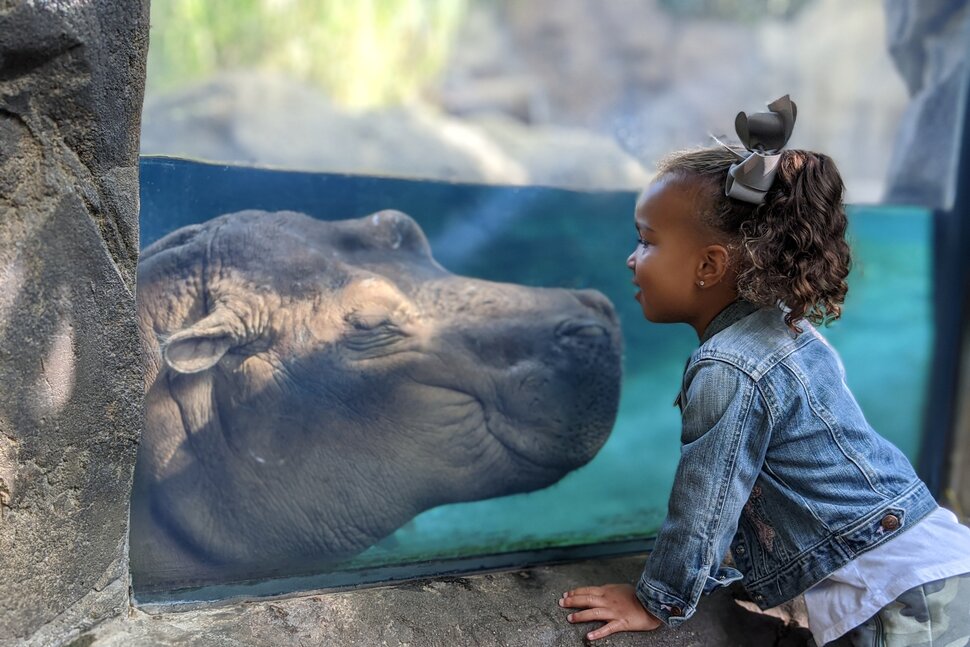
Exploring the World of Zoos and Their Inhabitants

Zoos have long been a source of fascination and education, offering a glimpse into the lives of animals from all corners of the globe. These wild enclosures serve as sanctuaries for endangered species, centers for conservation, and platforms for public engagement. Yet, they also raise ethical questions about the confinement of animals and the role humans play in their care and protection. This article delves into the multifaceted world of zoos, examining their inhabitants, the environments they create, and the impact they have on conservation and society.

The Inhabitants of Zoos:
Zoos are home to a diverse array of animals, from the majestic lions and elephants to the more diminutive but equally captivating lemurs and penguins. These inhabitants are often sourced from the wild, born in captivity, or rescued from unsustainable situations. The animals in zoos are not just attractions; they are ambassadors for their species, helping to raise awareness about their natural habitats and the threats they face.

Creating Wild Enclosures:
Designing enclosures that mimic the natural habitats of zoo animals is a complex task. Zoos strive to provide environments that cater to the physical and psychological needs of their inhabitants. This includes replicating elements such as vegetation, water bodies, and terrain to ensure the animals can exhibit natural behaviors. Enrichment programs are also implemented to stimulate the animals mentally and physically, providing them with activities and challenges that mimic those they would encounter in the wild.

The Role of Zoos in Conservation:
Zoos play a crucial role in conservation efforts. Many participate in breeding programs for endangered species, aiming to increase genetic diversity and population numbers. Some species have been brought back from the brink of extinction through these programs. Additionally, zoos are instrumental in reintroduction efforts, preparing animals for life in the wild and releasing them into protected areas.

Education and Engagement:
Zoos serve as educational hubs, offering opportunities for people to learn about animals and conservation. Through interactive exhibits, guided tours, and educational programs, zoos foster a connection between people and wildlife. This connection is vital in building public support for conservation initiatives and encouraging sustainable practices.

Ethical Considerations:
The ethical implications of keeping animals in captivity are a subject of ongoing debate. Critics argue that zoos cannot fully replicate the vastness and freedom of natural habitats, potentially leading to the psychological distress of the animals. Proponents, however, emphasize the role of zoos in conservation, education, and the preservation of species that might otherwise disappear.

Conclusion:
Zoos are more than just places of entertainment; they are complex institutions that balance the care of their inhabitants with conservation goals and educational missions. While they face criticism, they also offer hope for species on the brink of extinction and serve as a bridge between humans and the natural world. As we move forward, the challenge for zoos is to continue evolving, ensuring that their practices reflect the best interests of their wild enclosures and the animals they are dedicated to protecting.

The Rise of K-pop: How It Conquered the World

In the past few decades, a cultural phenomenon has swept across the globe, captivating millions of fans worldwide. This phenomenon is known as K-pop, a genre of popular music originating from South Korea. Characterized by its dynamic music videos, intricate dance routines, and fashion-forward style, K-pop has transcended language barriers and cultural differences to become a global sensation. This article explores the meteoric rise of K-pop and its conquest of the world’s music scene.

The Origins of K-pop:
K-pop, short for Korean pop, has its roots in the early 1990s. It began as a fusion of various music styles, including American pop and hip-hop, with a distinctively Korean twist. The genre evolved rapidly, incorporating elements from electronic, rock, and R&B music. The first K-pop idol group, Seo Taiji and Boys, debuted in 1992 and revolutionized the South Korean music industry with their unique sound and performance style.

The Global Expansion:
The early 2000s saw the beginning of K-pop’s global expansion. Groups like TVXQ, Super Junior, and Big Bang started to gain international attention, particularly in East Asia. However, it was the emergence of the girl group Girls’ Generation and the boy band EXO that truly signaled K-pop’s potential for global stardom. Their catchy tunes and visually appealing music videos began to attract fans from all over the world.

The Phenomenon of BTS:
The global breakthrough of K-pop can be attributed to one group in particular: BTS. Debuting in 2013, BTS quickly rose to fame with their meaningful lyrics, addressing issues such as mental health, societal pressures, and youth. Their music resonated with fans worldwide, leading to the creation of a dedicated fanbase known as the “ARMY.” BTS’s success on the international stage opened doors for other K-pop acts, and they have since achieved numerous milestones, including becoming the first Korean group to win a Billboard Music Award and to perform at the Grammys.

The Role of Social Media:
Social media has played a pivotal role in the global spread of K-pop. Platforms like YouTube, Twitter, and Instagram have allowed K-pop content to reach audiences far beyond Korea’s borders. Fans, or “K-pop stans,” have become adept at using these platforms to promote their favorite artists, creating a viral effect that has helped K-pop trends and challenges to gain traction worldwide.

Cultural Impact:
K-pop’s influence extends beyond music. It has become a significant part of the “Korean Wave,” or “Hallyu,” a term used to describe the global popularity of South Korean culture. K-pop has introduced the world to Korean language, fashion, beauty standards, and even cuisine. The genre has also influenced other music industries, with artists from various countries adopting K-pop’s production and performance styles.

Conclusion:
The rise of K-pop is a testament to the power of music to transcend cultural and linguistic barriers. From its humble beginnings in South Korea to its current status as a global phenomenon, K-pop has shown that it is more than just a passing trend. It has created a vibrant, inclusive community of fans and has paved the way for greater cultural exchange and understanding. As K-pop continues to evolve, its impact on the world stage is sure to grow, further cementing its place in the annals of music history.

Unveiling Their Secret World: The Mystical Lives of Cats

Cats, with their enigmatic eyes and silent footsteps, have long been shrouded in mystery. Throughout history, they have been revered as gods, feared as witches’ familiars, and cherished as companions. But beyond their roles in human culture and folklore, cats lead lives rich with secrets and behaviors that are as mystifying as they are fascinating. This article aims to unveil the secret world of cats, exploring their mystical lives and the unique traits that set them apart from other animals.

The Enigma of Cat Communication

One of the most intriguing aspects of cats is their complex system of communication. While humans rely heavily on verbal language, cats communicate through a combination of vocalizations, body language, and scent. The meow, for instance, is a sound almost exclusively directed at humans, suggesting that cats have adapted to communicate with us in a way we can understand. Their body language is equally expressive, with every twitch of the tail or flick of the ear conveying a specific message.

The Mystical Gaze

The eyes of a cat are not just windows to their soul but also keys to their nocturnal prowess. Equipped with vertical pupils that dilate in low light, cats can see in near darkness, a trait that has contributed to their mystical reputation. This ability, combined with their silent and stealthy movements, allows them to navigate the night with an otherworldly grace.

Guardians of the Home

In many cultures, cats are seen as protectors of the home. This belief is rooted in their natural hunting skills, which they use to keep pests at bay. However, the role of cats as guardians extends beyond the physical realm. Their keen senses and alert nature have led many to believe that cats can sense things beyond the human perception, including spirits and changes in the natural world that precede events like earthquakes.

The Healing Power of Cats

Cats have a calming effect on humans, a phenomenon that has been recognized for centuries. The act of stroking a cat’s fur can lower stress levels and blood pressure, while the purring of a cat has been shown to promote healing and relaxation. This healing power of cats is so profound that it has led to the use of therapy cats in hospitals and nursing homes.

The Secret Lives of Cats

Despite the close bonds many cats form with their human companions, they retain an air of independence and mystery. Cats are solitary hunters by nature, and their daily excursions outside (or their secretive behaviors within the home) are a source of endless fascination. The use of technology, such as GPS trackers, has begun to unveil the secret lives of cats, revealing complex social networks and hunting patterns that were previously unknown to their human companions.

Conclusion

The mystical lives of cats are as complex as they are enchanting. From their mysterious communication methods to their role as guardians and healers, cats continue to captivate the human imagination. While we may never fully understand the secret world of cats, it is clear that these enigmatic creatures have much to teach us about the mysteries of the natural world and the power of companionship. As we continue to unravel the mysteries of cat behavior, one thing remains certain: the bond between cats and humans is a testament to the enduring fascination and affection we hold for these mystical creatures.