The Undead in Myth and Popular Culture: The Zombie

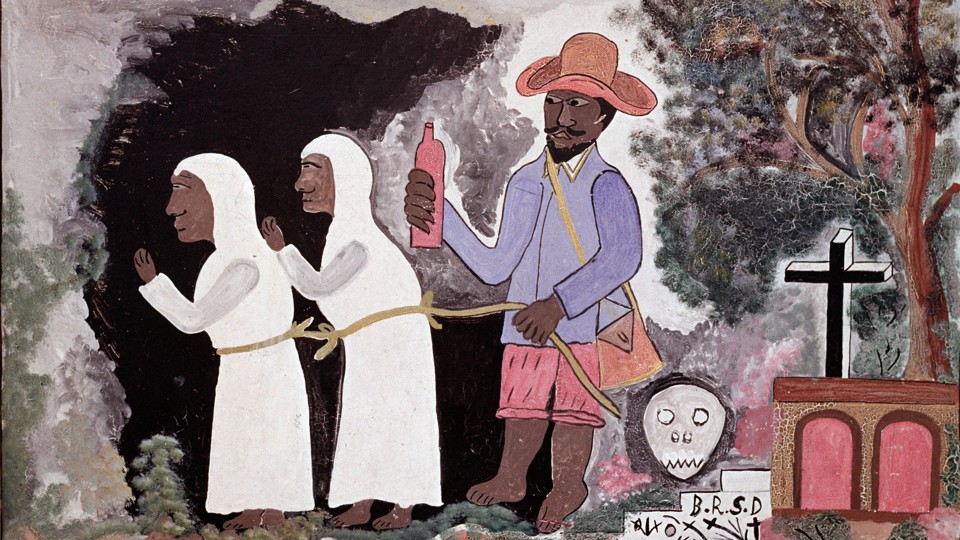
nyssenate31.com – The concept of the undead has been a staple in folklore and mythology for centuries, with the zombie being one of the most recognizable and enduring figures. Originating from Haitian voodoo, the zombie has evolved into a cultural icon, representing everything from mindless hordes to sentient beings struggling with their existence. This article explores the origins of the zombie, its journey through popular culture, and the various interpretations that have shaped our understanding of the undead.

Origins of the Zombie

The word “zombie” is derived from the Kikongo term “nzambi,” which means spirit of a dead person. In Haitian voodoo, a zombie is a corpse reanimated by a sorcerer, known as a bokor, through magical rituals. These undead beings were believed to have no will of their own, serving their masters as slaves. The idea of the zombie as a reanimated corpse was popularized in the early 20th century by Western writers and filmmakers, who often portrayed them as mindless, shambling creatures driven by an insatiable hunger for human flesh.

The Zombie in Popular Culture

Early Literature and Film

The zombie first appeared in literature with the publication of “The Magic Island” by William Seabrook in 1929. This book, based on Seabrook’s travels to Haiti, introduced the concept of the zombie to a wider audience. The first zombie film, “White Zombie” (1932), starring Bela Lugosi, followed shortly after, establishing many of the tropes that would become synonymous with the genre.

The Rise of the Modern Zombie

The modern conception of the zombie was largely shaped by George A. Romero’s “Night of the Living Dead” (1968). Romero’s zombies were not the mindless slaves of voodoo but were reanimated by unknown forces, driven by a hunger for human flesh. This film set the stage for the zombie apocalypse narrative, which has since become a staple in horror cinema.

Zombies in Contemporary Media

In recent years, zombies have become a ubiquitous presence in popular culture, appearing in films, television shows, video games, and literature. Series like “The Walking Dead” have brought the zombie genre to the forefront of mainstream entertainment, while video games like “Resident Evil” have popularized the idea of zombie outbreaks caused by scientific experiments gone awry.

Interpretations of the Zombie

Social and Political Commentary

Zombies have often been used as metaphors for social and political commentary. Romero’s films, for example, critiqued consumerism, the military-industrial complex, and the media. The zombie apocalypse has also been interpreted as a reflection of societal fears, such as the breakdown of civilization, the loss of individuality, and the threat of contagion.

Existential and Philosophical Themes

The zombie has also been explored in existential and philosophical contexts. Films and literature have delved into the nature of consciousness, the fear of death, and the desire for immortality. The undead state of zombies raises questions about what it means to be alive and the value of human existence.

Conclusion

The zombie has transcended its origins in Haitian voodoo to become a universal symbol of the undead. Through its various incarnations in popular culture, the zombie has been imbued with a range of meanings, from mindless horror to complex social commentary. As long as humanity continues to grapple with its fears and fascinations with death and the afterlife, the zombie is sure to remain a compelling figure in our cultural imagination.

Skinwalker: An Original Native American legend

The Skinwalker, a figure shrouded in mystery and fear, has long been a part of Native American folklore, particularly among the Navajo or Diné people. This entity is believed to be a type of shapeshifter, capable of taking on the form of animals or even mimicking human voices to deceive and manipulate. The legend of the Skinwalker is not just a story; it is a deeply ingrained part of the cultural and spiritual beliefs of the Navajo and other indigenous communities. In this article, we will explore the origins, characteristics, and significance of the Skinwalker in Native American lore.

Origins and Characteristics:
The term “Skinwalker” is derived from the English translation of the Navajo word “yee naaldlooshii,” which means “with it, he goes on all fours.” According to Navajo tradition, a Skinwalker is a human who has the ability to transform into an animal, typically for malevolent purposes. This transformation is said to be achieved through the practice of witchcraft, a taboo and feared aspect of Navajo culture.

Skinwalkers are believed to possess a variety of supernatural abilities, including the power to fly, the ability to become invisible, and the capacity to cast spells that can cause illness or death. They are often depicted as having glowing eyes and emitting a foul odor, traits that are said to betray their presence.

The legend of the Skinwalker is not confined to the Navajo alone. Similar shapeshifter figures exist in the folklore of other Native American tribes, such as the Windigo of the Algonquian peoples and the Chindi, a malevolent spirit in Navajo mythology.

Significance in Native American Culture:
The Skinwalker plays a significant role in Native American culture, serving as a cautionary tale against the dangers of witchcraft and the importance of maintaining harmony within the community. The fear of Skinwalkers is deeply ingrained, and many believe that even speaking about them can invite their wrath.

In Navajo culture, the concept of “hozho” or beauty, balance, and harmony is paramount. The Skinwalker represents the antithesis of this ideal, embodying chaos, malevolence, and disharmony. The stories of Skinwalkers are often used to teach moral lessons and to reinforce the importance of living in accordance with traditional values and beliefs.

Encounters with Skinwalkers:
Reports of encounters with Skinwalkers are rare, as many people are reluctant to speak about them. However, those who claim to have had such encounters often describe experiences that are both terrifying and inexplicable. These accounts typically involve sightings of animals behaving in unnatural ways or hearing voices that seem to come from nowhere.

The skepticism surrounding these claims is understandable, as the existence of Skinwalkers cannot be proven scientifically. Nevertheless, for those who believe, the fear and respect for these entities are very real.

Conclusion:
The legend of the Skinwalker is a complex and multifaceted aspect of Native American folklore. It is a testament to the rich cultural heritage and spiritual beliefs of indigenous peoples. While the existence of Skinwalkers may be debated, their impact on the cultural and spiritual landscape of Native American communities is undeniable.

As we continue to explore the mysteries of the Skinwalker, it is important to approach the subject with respect and sensitivity, recognizing the deep-rooted significance it holds for those who live within the traditions from which these stories originate. The Skinwalker remains a powerful symbol of the unknown and a reminder of the enduring power of myth and legend in shaping our understanding of the world around us.