
Tropical Malady (2004): A Exploration of Love and Myth

nyssenate31.com – “Tropical Malady,” directed by Apichatpong Weerasethakul and released in 2004, is a Thai film that defies conventional storytelling and delves into the realms of love, myth, and the supernatural. Known for its unique narrative structure and dreamlike visuals, the film has garnered critical acclaim for its bold and experimental approach to cinema.

Plot Summary

“Tropical Malady” is divided into two distinct yet interconnected parts. The first half of the film follows the budding romance between Keng, a soldier, and Tong, a young country boy. Their relationship unfolds in everyday settings, capturing intimate moments of connection and affection.

The second half shifts dramatically into a mythical allegory set in the jungle. This part of the film draws from Thai folklore, depicting Keng’s quest as he pursues a mysterious tiger shaman, believed to be transformed from Tong. The jungle becomes a surreal landscape where reality and myth blur, highlighting themes of desire, identity, and transformation.

A Cinematic Poetic Experience

What sets “Tropical Malady” apart is its poetic and non-linear storytelling. Apichatpong Weerasethakul employs a minimalist style, using long takes and natural soundscapes to create an immersive experience. The film’s structure challenges viewers to engage with its symbolism and explore the underlying themes of love and duality.

Themes and Symbolism

At its core, “Tropical Malady” explores the complexities of human relationships and the fluid nature of identity. The juxtaposition of the two halves of the film reflects the duality of love: its tenderness and its wild, untamed aspects. Through the use of Thai folklore, the film delves into the mystical connection between humans and nature, emphasizing the spiritual dimensions of love and transformation.

Reception and Legacy

“Tropical Malady” premiered at the Cannes Film Festival in 2004, where it received the Jury Prize, solidifying Apichatpong Weerasethakul’s reputation as an innovative filmmaker. The film’s unconventional narrative and visual style have made it a subject of study and admiration in film circles worldwide. It is celebrated for pushing the boundaries of storytelling and offering a fresh perspective on cinematic expression.

Conclusion

“Tropical Malady” remains a landmark in contemporary cinema, known for its daring exploration of love and its seamless blend of reality and myth. Apichatpong Weerasethakul’s visionary approach invites audiences to experience film as a poetic journey, leaving a lasting impact on the art of storytelling.
The Undead in Myth and Popular Culture: The Zombie

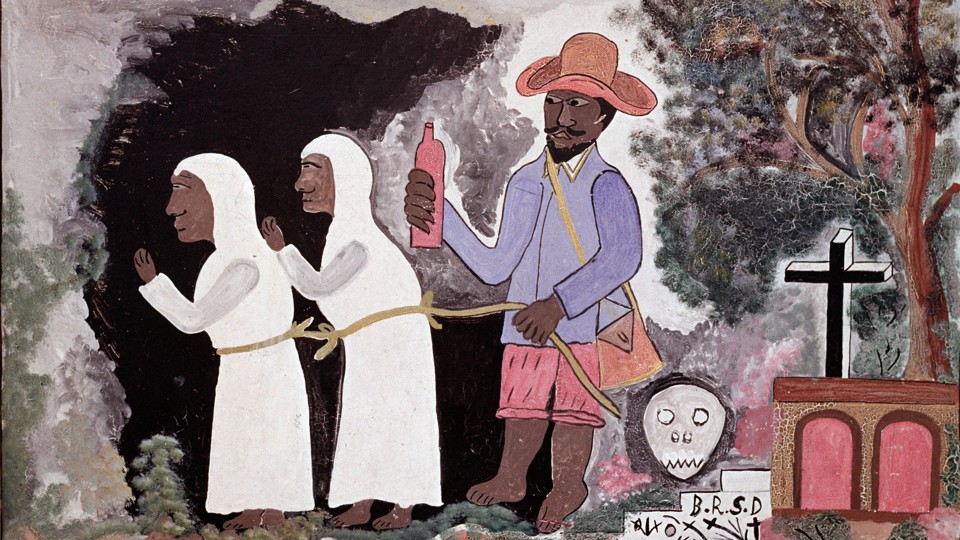
nyssenate31.com – The concept of the undead has been a staple in folklore and mythology for centuries, with the zombie being one of the most recognizable and enduring figures. Originating from Haitian voodoo, the zombie has evolved into a cultural icon, representing everything from mindless hordes to sentient beings struggling with their existence. This article explores the origins of the zombie, its journey through popular culture, and the various interpretations that have shaped our understanding of the undead.

Origins of the Zombie

The word “zombie” is derived from the Kikongo term “nzambi,” which means spirit of a dead person. In Haitian voodoo, a zombie is a corpse reanimated by a sorcerer, known as a bokor, through magical rituals. These undead beings were believed to have no will of their own, serving their masters as slaves. The idea of the zombie as a reanimated corpse was popularized in the early 20th century by Western writers and filmmakers, who often portrayed them as mindless, shambling creatures driven by an insatiable hunger for human flesh.

The Zombie in Popular Culture

Early Literature and Film

The zombie first appeared in literature with the publication of “The Magic Island” by William Seabrook in 1929. This book, based on Seabrook’s travels to Haiti, introduced the concept of the zombie to a wider audience. The first zombie film, “White Zombie” (1932), starring Bela Lugosi, followed shortly after, establishing many of the tropes that would become synonymous with the genre.

The Rise of the Modern Zombie

The modern conception of the zombie was largely shaped by George A. Romero’s “Night of the Living Dead” (1968). Romero’s zombies were not the mindless slaves of voodoo but were reanimated by unknown forces, driven by a hunger for human flesh. This film set the stage for the zombie apocalypse narrative, which has since become a staple in horror cinema.

Zombies in Contemporary Media

In recent years, zombies have become a ubiquitous presence in popular culture, appearing in films, television shows, video games, and literature. Series like “The Walking Dead” have brought the zombie genre to the forefront of mainstream entertainment, while video games like “Resident Evil” have popularized the idea of zombie outbreaks caused by scientific experiments gone awry.

Interpretations of the Zombie

Social and Political Commentary

Zombies have often been used as metaphors for social and political commentary. Romero’s films, for example, critiqued consumerism, the military-industrial complex, and the media. The zombie apocalypse has also been interpreted as a reflection of societal fears, such as the breakdown of civilization, the loss of individuality, and the threat of contagion.

Existential and Philosophical Themes

The zombie has also been explored in existential and philosophical contexts. Films and literature have delved into the nature of consciousness, the fear of death, and the desire for immortality. The undead state of zombies raises questions about what it means to be alive and the value of human existence.

Conclusion

The zombie has transcended its origins in Haitian voodoo to become a universal symbol of the undead. Through its various incarnations in popular culture, the zombie has been imbued with a range of meanings, from mindless horror to complex social commentary. As long as humanity continues to grapple with its fears and fascinations with death and the afterlife, the zombie is sure to remain a compelling figure in our cultural imagination.